Coldharbour Lane upholstery cleaning for SW2 flats
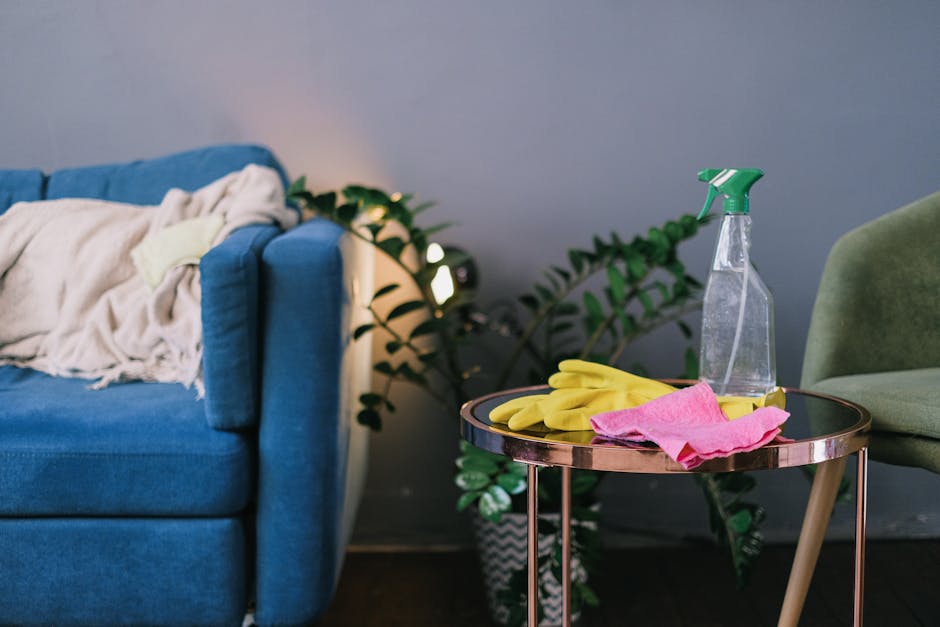
If you live in a SW2 flat near Coldharbour Lane, you already know the small stuff matters: the dining chair that picks up daily grime, the sofa arm that slowly darkens, the footstool that seems to attract every spill going. Coldharbour Lane upholstery cleaning for SW2 flats is not just about making furniture look nicer for a day. It is about keeping compact London homes fresher, more comfortable, and easier to live in, especially when space is tight and fabrics work hard. In a flat, one stained cushion or dusty armchair can make the whole room feel a bit tired. The good news? With the right approach, upholstery can be cleaned safely and properly without turning your living room into a damp obstacle course.
This guide explains how upholstery cleaning works in flats, what to expect, how to avoid common mistakes, and when a professional clean is worth it. It is written for real households, real schedules, and real London weather. Because let's face it, a sofa in a small flat takes more abuse than people admit.
Why Coldharbour Lane upholstery cleaning for SW2 flats Matters
Flats around Coldharbour Lane tend to have one thing in common: furniture does a lot of heavy lifting. A sofa is for sitting, working, eating, watching telly, and sometimes serving as the only soft landing spot in the room. That means upholstery picks up body oils, dust, food crumbs, pet hair, deodorant residue, street dust, and the occasional mystery mark. In a smaller SW2 flat, those marks are harder to ignore because the furniture sits right in your eyeline.
There is also the practical side. Upholstery can hold allergens and odours more than many people realise. If windows are not open often, or the flat gets humid in winter, fabrics can start to smell stale even when they look fine. A proper clean helps reset the room. Not in a dramatic, glossy-magazine way. More like "ah, that feels better" the moment you sit down.
It also matters for fabric life. Dirt particles act a bit like tiny abrasives. Left there long enough, they wear fibres down, especially on armrests and seat fronts. Regular care is cheaper than replacing a favourite sofa early, which, honestly, nobody wants to do in London prices.
If your upholstery is part of a broader home refresh, it can make sense to pair it with deep cleaning or a wider domestic cleaning visit so the whole flat feels consistently cleaner, not just one visible item.
Expert summary: In a SW2 flat, upholstery cleaning is most valuable when furniture is used daily, the room feels stale, or stains are beginning to settle in. It improves comfort, appearance, and fabric longevity in one go.
How Coldharbour Lane upholstery cleaning for SW2 flats Works
The method depends on the fabric, the stain type, and how much moisture the item can safely handle. Good upholstery cleaning starts with identification. A technician should check labels, test a small hidden area, and decide whether the fabric needs a low-moisture process, a more traditional wet clean, or a delicate approach for natural fibres.
For most flat furniture, the process usually includes dry soil removal, pre-treatment of spots, agitation with a soft brush, cleaning with suitable solutions, and extraction or controlled wiping. The aim is to lift dirt without oversoaking the padding. That last part matters in flats, because drying space is limited and you may not want a sofa taking over the room for two days.
Different materials behave differently. Microfibre can usually cope with a careful clean, while velvet, wool blends, and some vintage fabrics need a gentler hand. Leather is its own world entirely. Very different. A bit like comparing trainers to brogues.
Professionals who handle upholstery cleaning will often tailor the process to the item rather than force one system onto everything. That is what you want. Not a generic blast-and-hope approach.
In a flat, access matters too. Narrow hallways, lifts that are not always available, and parking restrictions can all affect timing. A tidy plan reduces fuss and keeps the visit smooth. If the place has just had decorating or moving-in work, it may even sit alongside after builders cleaning or a broader one-off cleaning visit, which can be handy after renovations.
Key Benefits and Practical Advantages
There are the obvious benefits, and then there are the little ones that make day-to-day life easier.
- Better appearance: fabric looks brighter, cleaner, and more even in colour.
- Reduced odours: stale smells from food, pets, smoke, or general use are less noticeable.
- Improved comfort: clean upholstery simply feels nicer to use.
- Longer fabric life: removing grit and residue helps slow wear.
- Healthier living space: dust and allergens trapped in fibres are reduced.
- Stronger first impression: useful if you host guests, rent the flat, or are getting ready for an inspection.
One benefit that is easy to overlook is morale. A clean sofa can change how a room feels, and that affects how you use the room. If your lounge has started to feel like a catch-all for coats, takeaway dinners, and laptop work, refreshed upholstery can quietly pull it back together. You notice it most at the end of the day when you sit down and the room feels calm again. Tiny win, but a real one.
For renters, it can also help with move-out presentation, especially when paired with end of tenancy cleaning. For homeowners, it can be the difference between replacing a piece of furniture and keeping it another few years. That's a pretty sensible trade.
Who This Is For and When It Makes Sense
Not every flat needs upholstery cleaning at the same pace. Some homes need it every so often; others need it sooner because of pets, children, smoking, frequent entertaining, or light-coloured fabrics that show everything. A single spill can justify a clean if it has settled into the fibres.
You are probably a good fit for this service if you:
- live in a busy SW2 flat with a well-used sofa or dining chairs;
- have noticed smells lingering in soft furnishings;
- see darkening on armrests or seat cushions;
- have allergies and want a fresher indoor environment;
- are preparing for guests, letting agents, or an end of tenancy handover;
- have pets that shed, sit, nap, and live like royalty on the furniture.
It also makes sense if you have cleaned the visible surfaces but the room still feels off. That often means the upholstery is carrying the load. In our experience, people usually spot it when sunlight hits the sofa in the late afternoon and reveals a lot more than they expected. Slightly rude, really.
If your flat is being cleaned as part of a broader household reset, it may be worth looking at house cleaning or home cleaners for the rest of the living space so the results feel balanced.
Step-by-Step Guidance
Here is a practical way to think about the process from start to finish.
- Check the fabric type. Look for care labels and note whether the item is delicate, colour-sensitive, or water-safe.
- Vacuum thoroughly. Use a soft upholstery attachment to remove loose dirt, hair, and crumbs from seams and buttons.
- Test a hidden patch. This helps identify colour loss or fabric reaction before any full treatment begins.
- Treat marks carefully. Apply the right solution to the stain, not the whole sofa, unless the item needs an overall clean.
- Clean methodically. Work section by section to avoid uneven results and watermarking.
- Control moisture. Too much liquid can lead to slow drying, odour, or fabric distortion.
- Allow proper drying. Keep airflow moving with open windows where possible and avoid sitting on it too soon.
- Do a final check. Inspect seams, arms, and under-cushion areas once the item is dry.
If you are booking a professional clean, ask what method they plan to use and how long drying should take in a flat setting. That one question saves a lot of guesswork later. A straightforward answer is usually a good sign.
For sofas specifically, the process often overlaps with sofa cleaning, while dining chairs and occasional chairs fall under the wider upholstery category. If you also have rugs or hall runners taking a beating, rug cleaning can be worth bundling in, too.
Expert Tips for Better Results
A few small decisions make a big difference.
- Vacuum before the cleaner arrives. It sounds basic, but it helps the treatment reach the fibres instead of only the surface dust.
- Tell the cleaner about old stains. Age, cause, and any previous products used all matter.
- Move fragile items first. Lamps, side tables, and ornaments are easy to forget in a compact flat.
- Open windows where possible. Even on a brisk London morning, airflow helps drying.
- Avoid DIY scrubbing. Rubbing usually pushes the stain deeper. Annoying, but true.
- Use protective throws in high-contact areas. Especially useful if you have pets or children, or both, which is a proper test of any sofa.
One slightly underrated tip: clean upholstery before a stain becomes "part of the furniture." If you catch a spill early, the fabric often responds much better. Wait too long and the stain can bond with oils and heat from everyday use. Then things get grumpy.
If you want a broader refresh around the flat, combining upholstery care with carpet cleaning can make the whole place feel noticeably more orderly. There is a reason a room with clean soft furnishings feels different underfoot and at eye level.
Common Mistakes to Avoid
Most upholstery problems come from trying to move too fast or using the wrong method for the fabric. A few examples crop up again and again.
- Using too much water. This can leave rings, slow drying, and a musty smell.
- Scrubbing aggressively. It frays fibres and spreads staining.
- Skipping a patch test. Risky on dyed or delicate fabrics.
- Using random household products. Some cleaners bleach, darken, or stiffen fabric.
- Ignoring the care label. The label is not decorative.
- Forgetting about the padding. The visible surface may dry quickly while the inner layers stay damp.
Another mistake is assuming every stain behaves the same. Coffee, red wine, makeup, pet accidents, and oily food all need different approaches. What works for one can make another worse. The very helpful bottle in the cupboard may not be helpful at all, which is a bit rude of it really.
If your flat is particularly busy or you need help keeping everything under control, a reliable cleaning company can coordinate multiple tasks without turning the day into a logistical puzzle.
Tools, Resources and Recommendations
You do not need a room full of gadgets, but the right tools make a cleaner result more likely. For home care, a soft brush, a vacuum with upholstery attachments, absorbent white cloths, and a suitable fabric-safe cleaner are usually enough for light maintenance.
For deeper work, professional technicians may use low-moisture systems, extraction tools, hand brushes, fabric-specific detergents, and stain treatment solutions. The important part is not the label on the machine. It is how carefully it is used.
For residents in SW2, practical recommendations are often simple:
- keep a small cleaning kit in a cupboard rather than hunting for one after a spill;
- blot first, always;
- avoid scented sprays that simply mask odour instead of treating it;
- schedule a clean before moving out, after illness in the home, or before major hosting;
- combine upholstery work with window cleaning if you want the flat to feel brighter overall.
If you need a starting point on pricing or what is included, the page for pricing and quotes is the sensible place to understand how requests are handled. For service details, the dedicated upholstery cleaning page is also useful.
Law, Compliance, Standards, or Best Practice
Upholstery cleaning itself is not a heavily regulated activity in the way some specialist trades are, but good practice still matters. In the UK, customers should reasonably expect safe handling of chemicals, suitable risk assessment where needed, and honest communication about fabric limitations. That is just basic professionalism, really.
For flats, best practice also includes respecting building access, protecting communal areas, and keeping noise and mess to a minimum. If a cleaner is moving equipment through shared hallways, they should take care not to leave damp patches or trip hazards. In a block setting, that kind of attention makes life easier for everyone.
It is also sensible to check insurance and safety arrangements before booking any service that uses water, electrical equipment, or chemical products indoors. A trustworthy provider should be able to explain how they work safely and what happens if something unexpected goes wrong. If you want to review those basics first, the site's insurance and safety information and health and safety policy are useful references. For service expectations and booking terms, terms and conditions and the privacy policy are worth a look as well.
One more thing: if a fabric is delicate or antique, the safest choice is often the least aggressive one. Best practice is not about doing the most. It is about doing the right amount. That old chair in the corner deserves some respect.
Options, Methods, or Comparison Table
There is no single "best" upholstery cleaning method for every SW2 flat. The right choice depends on fabric, access, drying time, and how worn the item is. Here is a simple comparison.
| Method | Best for | Pros | Limitations |
|---|---|---|---|
| Vacuum and spot care | Light maintenance and fresh spills | Quick, low-cost, easy to repeat | Won't remove deep soil or odours |
| Low-moisture upholstery cleaning | Most flat-friendly fabrics | Faster drying, less disruption | May need extra work on heavy staining |
| Extraction cleaning | Durable fabrics with embedded dirt | Strong soil removal, good for busy households | Longer drying, not ideal for every material |
| Delicate hand cleaning | Velvet, wool blends, vintage or sensitive fabrics | Gentler on fragile materials | Slower and more dependent on technician skill |
For many flats, low-moisture or careful extraction cleaning is the most practical option. If the sofa is still in decent shape but just looks dull, that is usually enough. If it is heavily used, smells stale, or has years of residue built up, a more thorough clean may be better. It really depends.
Some readers also compare upholstery cleaning with broader one-off cleaning or deep cleaning. The short version: upholstery cleaning targets fabric furnishings directly, while those other services are better for whole-home resets. They can work together nicely.
Case Study or Real-World Example
Imagine a compact SW2 flat near Coldharbour Lane with one three-seat sofa, two dining chairs, and a small armchair by the window. Nothing dramatic. Just normal life. Over time, the sofa arms have picked up a greyish tint, the dining chairs hold onto food smells after dinner, and the armchair near the window has a faint dusty odour from being used as a storage spot for throws and bags. Not glamorous, but very familiar.
The owner decides to clean the furniture before a family visit. First, they vacuum everything carefully and clear the coffee table, side lamps, and the awkward pile of books beside the sofa. The cleaner checks the fabric, tests a hidden patch, and treats the worst marks before working across the seats in sections. Drying time is managed by opening the windows for a few hours, which is easy enough on a mild day, though London weather does enjoy a little suspense.
By evening, the room feels calmer. The sofa is not "new," because no honest clean can pretend that. But it looks fresher, smells better, and no longer draws the eye for the wrong reasons. That is the real outcome most people want: not perfection, just a home that feels looked after.
If you are curious about the company behind the service, the about us page gives a bit more background on who they are and how they work. For booking questions, the contact us page is the natural next step.
Practical Checklist
Use this quick checklist before and after your upholstery clean.
- Identify the furniture pieces that need attention.
- Check care labels if they are available.
- Vacuum seams, edges, and underneath cushions.
- Move fragile items and clear access paths.
- List any stains, smells, or problem areas for the cleaner.
- Confirm the drying time you can reasonably manage in the flat.
- Keep pets and small children away during the clean and drying period.
- Open windows if the weather allows.
- Do not sit on or cover the furniture too early.
- Inspect the item once dry and note any areas that need a follow-up.
This sounds simple because, to be fair, it is. But the small steps do most of the heavy lifting.
Conclusion
Coldharbour Lane upholstery cleaning for SW2 flats is one of those services that quietly improves daily life. It helps a compact home feel fresher, supports fabric longevity, and takes some of the pressure off furniture that gets used hard every single day. Whether you are preparing for guests, refreshing a rental, or just tired of looking at the same old marks on the sofa, the right clean can make a meaningful difference.
The key is to match the method to the fabric, keep moisture under control, and avoid the common mistakes that turn an easy job into a frustrating one. If you approach it properly, upholstery cleaning is less about dramatic transformation and more about restoring comfort. And honestly, that is often exactly what a flat needs.
Get a free quote today and see how much you can save.
There is something genuinely satisfying about sitting down in a room that feels clean, settled, and ready for the week ahead. Small comfort, big effect.
Frequently Asked Questions
How often should upholstery be cleaned in a SW2 flat?
For most flats, a professional clean every 12 to 18 months is a sensible starting point, but heavy use, pets, children, or visible staining may mean you need it sooner. If the sofa gets daily use, you will usually notice dullness before the year is out.
Can upholstery be cleaned safely in a flat with limited space?
Yes. In fact, many methods are well suited to flats because they use controlled amounts of moisture and portable equipment. The main considerations are access, drying time, and making sure the cleaner can work without blocking the whole room.
What types of furniture can be cleaned?
Most fabric sofas, armchairs, dining chairs, footstools, cushions, and ottomans can be cleaned. Delicate materials such as velvet, wool blends, or older fabrics may need a gentler process, so the fabric type should always be checked first.
Will the upholstery dry quickly?
Drying time depends on the fabric, the method used, airflow, and indoor temperature. Low-moisture cleaning usually dries faster than heavier extraction methods. In a flat, opening windows and keeping air moving really helps.
Can all stains be removed?
Not always. Fresh stains are much easier than old ones, and some marks, especially dye transfer or heat-set stains, may not come out completely. A good cleaner should be honest about what is realistic before starting.
Is upholstery cleaning safe for pets and children?
It can be, provided suitable products are used and the furniture is left to dry fully before normal use. If you have pets or little ones, it is worth telling the cleaner in advance so they can choose appropriate products and drying guidance.
What should I do before the cleaner arrives?
Vacuum the furniture if you can, clear nearby surfaces, move fragile items, and make a note of stains or problem areas. It only takes a few minutes and helps the clean go much more smoothly.
Is upholstery cleaning worth it before moving out?
Usually, yes. If the furniture belongs to you and it is part of the condition expected at handover, a professional clean can help improve presentation. It is especially useful when combined with end of tenancy cleaning or a general flat refresh.
How is upholstery cleaning different from sofa cleaning?
Sofa cleaning is usually a more specific service focused on sofas alone, while upholstery cleaning covers a wider range of fabric furnishings such as chairs, cushions, and benches. The methods overlap a lot, but the scope is different.
Do I need a professional, or can I do it myself?
Light maintenance can be done at home, but deeper stains, delicate fabrics, and odour issues are often better handled professionally. If you are unsure about the material, getting it wrong can create more work later. That is the annoying truth.
What if my upholstery has a bad smell but no visible stain?
Odours often come from built-up body oils, spills, smoke, or trapped dust in the fibres. A thorough clean can help a lot, especially if the smell is strongest when the room is warm or the windows have been closed for a while.
Can upholstery cleaning be combined with other services?
Yes, and in many cases that is a smart move. People often combine upholstery care with carpet cleaning, rug cleaning, window cleaning, or domestic cleaning so the whole flat feels consistently fresh rather than half-done.